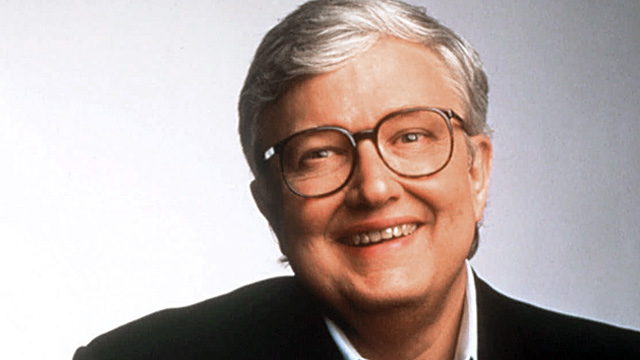
Directed by Steve James, Life itself pays tribute to legendary film critic Roger Ebert. It gives n account of his life and takes us through his life's journey. The audience gets to see how he ended up being a film critic. It also highlights his relationship with the people he worked with, especially Gene Siskel.
What I found most interesting was that most of the b-roll in the documentary consisted of old footage and pictures. The only footage the filmmakers shot were the interviews and anything with Roger Ebert in the hospital or at home. This makes sense because the filmmakers want to take the audience back in the past, in Ebert's past. Besides the old footage the filmmakers use Ebert's newspaper articles also.
It is hard to watch the situation Ebert was in because of his cancer but it is very interesting to see the way he is taking it. Despite being in pain and in a hospital, Ebert seems happy and that is what keeps the film lighthearted despite the hard circumstances he is in. It is balanced out by the laughter and good times he spent with the people he shared his life with, particularly his wife Chaz and the people he worked with.
This documentary also does something that I absolutely love. It takes the audience behind the scenes to some of the things the audience did not know about, specifically behind the scenes of Siskel & Ebert. It shows the relationship Gene Siskel and Roger Ebert had which is something audiences would have never seen unless they got the chance to go behind the scenes. However, what is even surprising is that they argued even more off-screen than thy did on-screen.
Overall, this documentary gives a great account of Roger Ebert's life. It show his life as a film critic, his relationships with the people he worked with and with his family, especially Chaz. But it also reflects his personality through his struggle with cancer in the last few years of his life. From the documentary it can be assumed that Ebert was content with life and died a happy man.
What I found most interesting was that most of the b-roll in the documentary consisted of old footage and pictures. The only footage the filmmakers shot were the interviews and anything with Roger Ebert in the hospital or at home. This makes sense because the filmmakers want to take the audience back in the past, in Ebert's past. Besides the old footage the filmmakers use Ebert's newspaper articles also.
It is hard to watch the situation Ebert was in because of his cancer but it is very interesting to see the way he is taking it. Despite being in pain and in a hospital, Ebert seems happy and that is what keeps the film lighthearted despite the hard circumstances he is in. It is balanced out by the laughter and good times he spent with the people he shared his life with, particularly his wife Chaz and the people he worked with.
This documentary also does something that I absolutely love. It takes the audience behind the scenes to some of the things the audience did not know about, specifically behind the scenes of Siskel & Ebert. It shows the relationship Gene Siskel and Roger Ebert had which is something audiences would have never seen unless they got the chance to go behind the scenes. However, what is even surprising is that they argued even more off-screen than thy did on-screen.
Overall, this documentary gives a great account of Roger Ebert's life. It show his life as a film critic, his relationships with the people he worked with and with his family, especially Chaz. But it also reflects his personality through his struggle with cancer in the last few years of his life. From the documentary it can be assumed that Ebert was content with life and died a happy man.


No comments:
Post a Comment