Tuesday, October 6, 2015

Marwencol

Going through Mark Hogencamp's life after he recovered from a brutal attack that had put him in a coma, Marwencol gives the audience a highlight of how his life is after the attack, while also investigating the real reason why Mark was attacked. It focuses on his struggles after coming back from  a coma and how he starts a World War II based town made of miniature action figures and barbie dolls. 
As it goes on, the documentary reveals that Mark is a cross dresser. That is why he was beaten up and left to die. It seems that out of the bitterness of the attack Mark creates a fictional town in which people love him and good things happen. As the documentary introduces it at first, it seems to be art and a form of therapy for Mark. But as the story progresses, it is his way of making right the issues and struggles he has faced in life by making an altar ego and a town where everything goes according to his rules. 
The documentary takes a huge twist when it is revealed that Mark is a cross dresser and that was the reason he was beaten and in a coma as a result of it. It is definitely one of the most unique documentaries I have seen.  

Burden of Dreams

Chronicling the events leading up to and during the production of Werner Herzog's "Fitzcarraldo," Burden of Dreams focuses on the major issues and problems that Herzog and the production crew had to go through as they were making the film. What is interesting is how being in the jungle drives everyone crazy, especially Herzog. 
Herzog was focused on making the film that he lost all concern for other people and things. Local people lost their lives, a lot of money was used and wasted, and it took a long time to complete the film. But that did not stop Herzog from making the film. It is to the point that by the end of the documentary, the audience feels that Herzog is a crazy person. That is at least what I thought. 
One of the things that interested me was the difference of style in this documentary. Unlike most of the documentaries I have seen, this documentary had less interviews and more of just following people and getting actual situations and problems on film. For me, I think that is what makes  this documentary intense and authentic.

America

Directed by Dinesh D'Souza and John Sullivan, America provides an interesting perspective of the United States of America. Imagining what the world would be like without the USA, Dinesh takes the audience on a journey through the history of the USA while also shedding light on current events and different perspectives in society regarding America.
Something that the documentary did for me was to think about how the USA has helped me and benefited me during my time at Huntington University. I came here about two years ago to study film production, to gain experience and knowledge that would help me make films back home in Pakistan. So far Huntington and America have helped me a lot through the education and experiences I have had so far. Moreover, just learning more about the American culture and also working here has helped me develop as an individual, on a personal and professional level. 
I think that in the midst of the negativity that the USA faces internationally, this documentary provides encouragement for the American people by identifying all the good that has been done in and through them. 

Tuesday, September 22, 2015

Life and Death


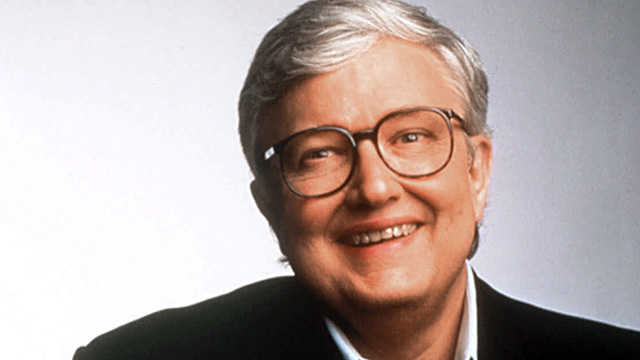
Directed by Steve James, Life itself pays tribute to legendary film critic Roger Ebert. It gives n account of his life and takes us through his life's journey. The audience gets to see how he ended up being a film critic. It also highlights his relationship with the people he worked with, especially Gene Siskel.
What I found most interesting was that most of the b-roll in the documentary consisted of old footage and pictures. The only footage the filmmakers shot were the interviews and anything with Roger Ebert in the hospital or at home. This makes sense because the filmmakers want to take the audience back in the past, in Ebert's past. Besides the old footage the filmmakers use Ebert's newspaper articles also.
It is hard to watch the situation Ebert was in because of his cancer but it is very interesting to see the way he is taking it. Despite being in pain and in a hospital, Ebert seems happy and that is what keeps the film lighthearted despite the hard circumstances he is in. It is balanced out by the laughter and good times he spent with the people he shared his life with, particularly his wife Chaz and the people he worked with.
This documentary also does something that I absolutely love. It takes the audience behind the scenes to some of the things the audience did not know about, specifically behind the scenes of Siskel & Ebert. It shows the relationship Gene Siskel and Roger Ebert had which is something audiences would have never seen unless they got the chance to go behind the scenes. However, what is even surprising is that they argued even more off-screen than thy did on-screen.
Overall, this documentary gives a great account of Roger Ebert's life. It show his life as a film critic, his relationships with the people he worked with and with his family, especially Chaz. But it also reflects his personality through his struggle with cancer in the last few years of his life. From the documentary it can be assumed that Ebert was content with life and died a happy man.

Bad=Good?


The Best Worst Movie was very entertaining. It is so hard to believe that people have made movies like Troll 2 and believe in a story that is basically nonsense. The amount of flaws Troll 2 has is probably equivalent to the amount of dialogues the entire cast has, or probably even more. But this documentary takes us into the present lives of the actors in the film. It shows us how they are doing and how working on Troll 2 has effected their lives. However, what caught my attention in this documentary is that it says something very interesting about our society and our generation.
It seems to be that whatever is bad is good. Despite being a horrible movie, Troll 2 has developed a cult following which has given the film a lot of success in recent years.
What is even more interesting is that at one point the actors realize that it's not everyone that knows about this movie but a certain demographic that enjoys Troll 2 for what it is.
The documentary is also very true to the reality of how the film effected the people involved in the making of the film, specifically the cast. For most of them, Troll 2 ruined their career in acting. It creates a very awkward and funny moments when people talk about how Troll 2 effected them but it is actually the reality of the situation and they are struggling in life because of the film.
What is also noteworthy is that the documentary shows the relationship of the director and the cast. It gives the audience of the documentary a chance to witness what it would have been like for the cast when they were actually Troll 2. The filmmakers do not shy away from the awkward situations at press conferences and other situations where the cast clashes with the director.